When Stress Becomes Part of the Job
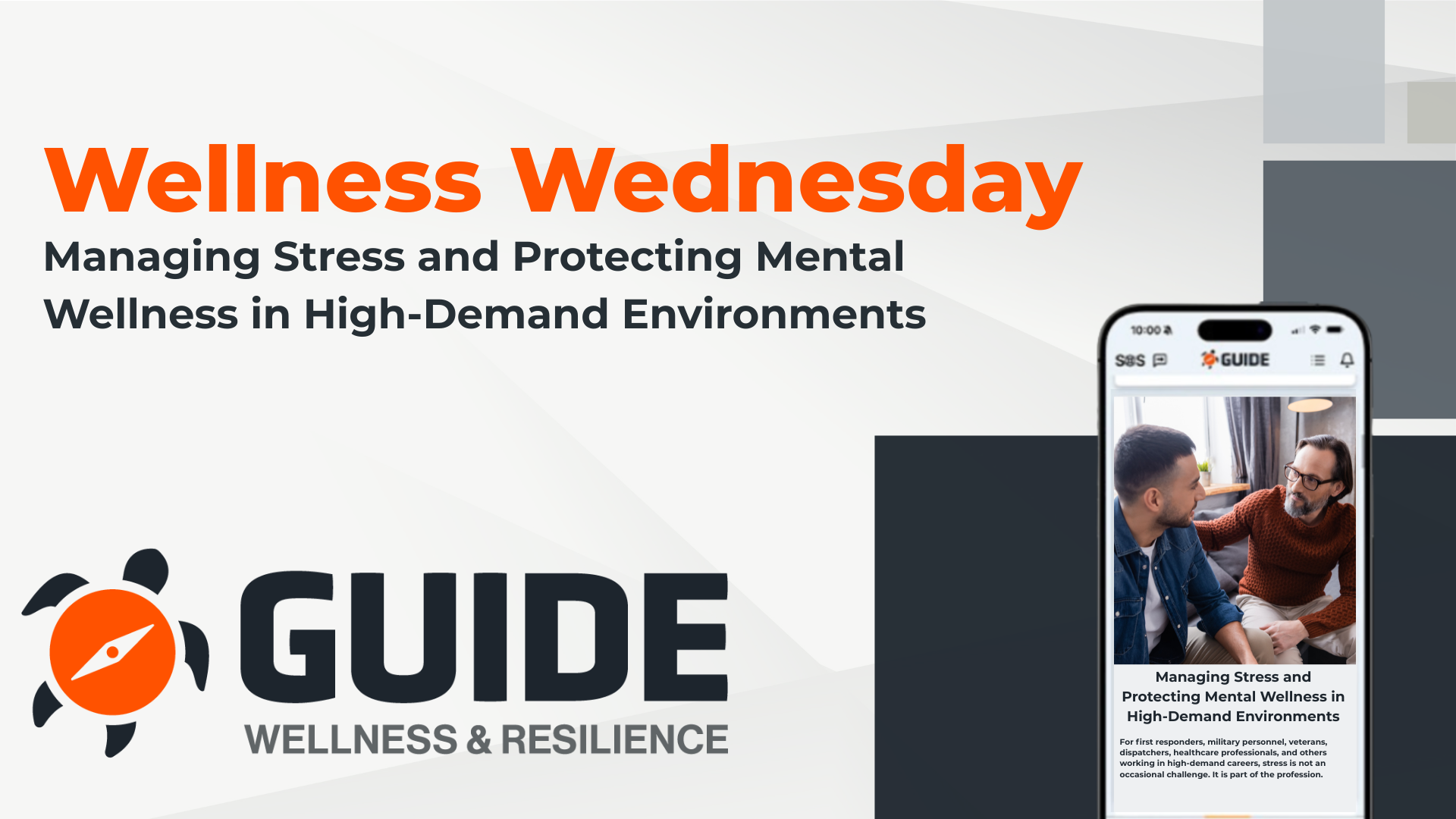
For first responders, military personnel, veterans, dispatchers, healthcare professionals, and others working in high-demand careers, stress is not an occasional challenge. It is part of the profession.
Every shift can bring life-or-death decisions, emotionally charged situations, long hours, interrupted sleep, and the responsibility of serving others before yourself. While these demands can build resilience, they can also contribute to chronic stress when left unmanaged.
Mental wellness is not about eliminating stress. It is about developing the skills to recover, regulate your nervous system, and remain resilient despite demanding circumstances.
Understanding Chronic Stress Accumulation
Stress does not always appear all at once.
Instead, it often develops gradually through repeated exposure to difficult situations. A challenging call today, poor sleep tomorrow, mandatory overtime next week, and family responsibilities afterward begin to stack on top of one another.
Over time, chronic stress can affect nearly every system in the body. It may lead to:
- Difficulty concentrating or making decisions
- Increased irritability or emotional reactivity
- Persistent fatigue despite getting enough sleep
- Trouble falling or staying asleep
- Muscle tension and headaches
- Elevated blood pressure
- Weakened immune function
- Increased anxiety or depression
- Reduced motivation and job satisfaction
Many professionals become so accustomed to operating under pressure that constant stress begins to feel normal. Unfortunately, the body does not distinguish between stress you have adapted to and stress that is negatively affecting your health.
Recognizing Emotional Exhaustion Before Burnout
Burnout rarely happens overnight.
It usually develops gradually after long periods of emotional and physical depletion. Emotional exhaustion is often one of the earliest warning signs.
You may notice:
- Feeling emotionally numb
- Losing enthusiasm for work
- Becoming increasingly cynical
- Withdrawing from coworkers, friends, or family
- Feeling overwhelmed by routine responsibilities
- Finding it difficult to empathize with others
- Struggling to recover between shifts
Recognizing these warning signs early allows you to take action before burnout begins affecting your health, relationships, and performance.
Regulating Your Nervous System
High-performing professionals often spend extended periods operating in a heightened fight-or-flight response.
This response is essential during emergencies. However, remaining in that state long after the situation has ended places significant strain on both the mind and body.
Nervous system regulation helps your body transition from survival mode into recovery mode.
Simple strategies include:
- Taking slow, controlled breaths
- Walking outdoors
- Gentle stretching or mobility exercises
- Rehydrating after stressful events
- Listening to calming music
- Spending time with supportive people
- Prioritizing consistent sleep routines
Recovery is not a sign of weakness. It is essential maintenance for your nervous system.
The Power of Breathwork
One of the fastest ways to influence your nervous system is through intentional breathing.
When stress increases, breathing naturally becomes shallow and rapid. Slowing your breathing sends a signal to your brain that the immediate threat has passed.
Try this simple breathing exercise.
Box Breathing
- Inhale for four seconds.
- Hold your breath for four seconds.
- Exhale for four seconds.
- Hold again for four seconds.
- Repeat for two to five minutes.
Another effective option is the physiological sigh.
- Take one deep inhale.
- Follow it immediately with a second, shorter inhale.
- Slowly exhale until your lungs are empty.
Practicing these techniques between calls, after critical incidents, before bed, or before entering a stressful situation can help improve focus while reducing stress.
Building Daily Decompression Habits
Many professionals leave work physically, but mentally they continue carrying the day’s experiences home.
Creating a consistent decompression routine helps your brain transition out of operational mode.
Consider adding these habits to your daily routine:
- Take a short walk before entering your home.
- Spend five minutes practicing intentional breathing.
- Change into comfortable clothes immediately after work.
- Listen to music or a favorite podcast during your commute.
- Write down stressful thoughts in a journal.
- Take a warm shower to signal the end of your shift.
- Reduce screen time before going to bed.
These habits may seem small, but when practiced consistently, they become powerful recovery tools.
Preventing Burnout Through Daily Recovery
Burnout prevention is not something that happens only during vacations.
It develops through small, intentional decisions made every day.
Prioritize:
- Quality sleep whenever possible
- Regular physical activity
- Balanced nutrition
- Proper hydration
- Healthy personal boundaries
- Scheduled breaks throughout the day
- Using available mental health resources
- Staying connected with trusted coworkers, friends, and family
Recovery should become part of your operational readiness. It should never be something you postpone until you have reached your limit.
Strengthening Mental Resilience
Mental resilience is not the absence of hardship.
It is the ability to adapt, recover, and continue moving forward despite adversity.
Resilience grows through consistent daily habits such as:
- Practicing gratitude
- Maintaining physical fitness
- Building strong support systems
- Developing emotional awareness
- Asking for help when needed
- Celebrating small victories
- Practicing mindfulness
- Continuing both personal and professional growth
Resilience is built long before it is tested.
Every healthy habit becomes another tool you can rely on when challenges arise.
Supporting Each Other
Mental wellness becomes stronger through meaningful connection.
Checking in on coworkers, asking thoughtful questions, listening without judgment, and encouraging others to seek support all contribute to healthier teams and stronger organizations.
Sometimes the most meaningful conversation begins with one simple question.
“How are you really doing?”
Those words can open the door to connection, understanding, and support.
Final Thoughts
High-demand careers require extraordinary commitment, but your well-being deserves the same level of attention you give to those you serve.
Managing stress is not about becoming less dedicated. It is about protecting your ability to continue performing at your highest level.
Small, intentional actions practiced consistently can help regulate your nervous system, reduce emotional exhaustion, prevent burnout, and strengthen long-term resilience.
Your mental wellness is not separate from your performance. It is the foundation that supports it.
At The GUIDE App, we believe supporting those who protect and serve begins with caring for the person behind the uniform. Prioritizing recovery, building healthy habits, and strengthening resilience today creates a stronger foundation for tomorrow.