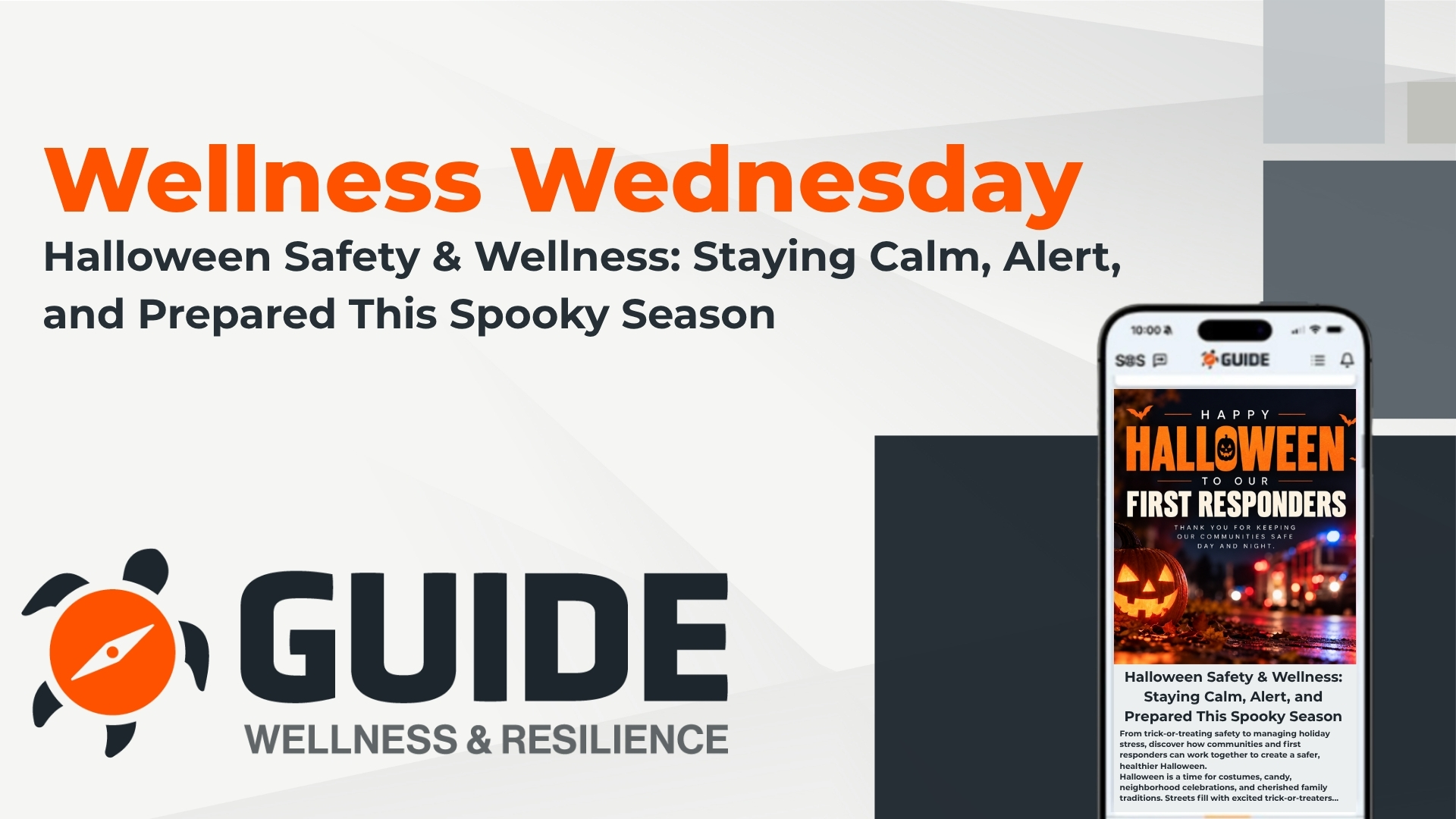
From trick-or-treating safety to managing holiday stress, discover how communities and first responders can work together to create a safer, healthier Halloween.
Halloween is a time for costumes, candy, neighborhood celebrations, and cherished family traditions. Streets fill with excited trick-or-treaters, homes transform with spooky decorations, and communities come together to celebrate the season. But while families prepare for an evening of fun, first responders are preparing for something equally important: keeping everyone safe.
For law enforcement officers, firefighters, EMS professionals, and 911 dispatchers, Halloween can bring unique challenges. Increased pedestrian traffic, crowded neighborhoods, distracted drivers, and late-night gatherings can create unpredictable situations that require heightened awareness, quick decision-making, and emotional resilience.
While first responders remain committed to protecting their communities, it’s equally important that they prioritize their own mental, emotional, and physical well-being.
This Halloween, preparation, situational awareness, and a commitment to wellness can make a meaningful difference for both the communities celebrating and the individuals working behind the scenes to keep everyone safe.
Trick-or-Treating Safety: What First Responders Want Families to Know
Halloween is one of the most exciting nights of the year for children, but the combination of darkness, increased foot traffic, and busy neighborhoods can create additional safety concerns.
First responders encourage families to take a proactive approach to Halloween safety. A few simple precautions can help reduce preventable accidents and allow everyone to focus on enjoying the holiday.
Stay Visible After Dark
As the sun sets and trick-or-treating begins, visibility becomes especially important. Dark costumes, poorly lit streets, and crowded sidewalks can make it difficult for drivers to see pedestrians.
Parents and caregivers should encourage children to carry flashlights, wear reflective accessories, or incorporate glow-in-the-dark elements into their costumes. Whenever possible, choose well-lit routes and travel in groups with responsible adult supervision.
Drivers should also remain especially attentive in residential neighborhoods, where children may unexpectedly enter the roadway.
Practice Safe Pedestrian Habits
The excitement of going door to door can make it easy for children to forget everyday pedestrian safety rules.
Remind children to use sidewalks, cross at designated crosswalks, and look both ways before entering the street. Avoid cutting between parked vehicles or crossing where drivers may have limited visibility.
For younger trick-or-treaters, adult supervision is especially important. Older children traveling independently should have a planned route, a charged phone if available, and a designated time to return home.
Be Mindful of Traffic and Distracted Driving
Halloween can mean more pedestrians on neighborhood streets, particularly during evening hours.
Drivers should reduce their speed, avoid phone use or other distractions, and remain alert around intersections, driveways, and parked vehicles.
For those attending Halloween parties or community celebrations, planning a safe ride home is equally important. Impaired driving puts pedestrians, other motorists, and first responders at unnecessary risk.
A few extra seconds of patience behind the wheel can help prevent a serious emergency.
Prevent Fire and Decoration Hazards
Halloween decorations bring neighborhoods to life, but certain displays can introduce fire and injury risks.
Open flames, overloaded electrical outlets, extension cords across walkways, and decorations placed too close to heat sources can create dangerous conditions.
Consider using battery-operated candles instead of traditional flames, keep decorations away from exits, and inspect electrical decorations before use.
Walkways should remain clear so trick-or-treaters can safely approach homes without tripping over cords, props, or other obstacles.
Plan Ahead for Unexpected Situations
Before heading out, families should establish a trick-or-treating route, identify safe meeting locations, and discuss what children should do if they become separated from their group.
Costumes should fit properly, allow clear vision, and avoid dragging on the ground. Families should also check collected treats before children eat them, particularly when managing allergies or dietary restrictions.
Preparation doesn’t have to take away from the excitement of Halloween. Instead, it allows families to celebrate with greater confidence and peace of mind.
Behind the Costumes: The Challenges First Responders Face on Halloween
While communities celebrate, first responders remain ready to answer the call.
Depending on the community and local events, Halloween can introduce additional demands on emergency services. Pedestrian-related incidents, traffic collisions, fire hazards, injuries, and large gatherings may require rapid response and coordination.
For police officers, this can mean increased neighborhood patrols, managing public safety concerns, and responding to incidents involving large groups.
For firefighters and EMS professionals, Halloween may involve responding to injuries, vehicle accidents, medical emergencies, or fires associated with decorations and celebrations.
For 911 dispatchers, the challenge can be especially demanding. Managing incoming emergency calls, coordinating resources, and maintaining clear communication during stressful situations requires sustained concentration and emotional regulation.
And while each role faces different responsibilities, one challenge remains consistent: maintaining composure and making thoughtful decisions when the unexpected happens.
The emotional demands of emergency response don’t disappear simply because it’s a holiday.
In fact, working during celebrations can create an additional layer of stress for first responders who may be missing traditions, family gatherings, or special moments with loved ones.
Recognizing these challenges is an important part of building a culture that values first responder wellness alongside operational readiness.
Staying Calm Under Pressure: Five Wellness Strategies for First Responders
Remaining calm and alert during a demanding shift isn’t just about professional preparation. It’s also about recognizing your own physical and emotional needs.
Small, intentional wellness practices can help first responders manage stress, maintain focus, and support their overall resilience.
1. Practice Mindful Breathing Between Calls
When emergencies arise, the body’s natural stress response can increase heart rate, muscle tension, and feelings of urgency.
While these responses serve an important purpose in high-pressure situations, prolonged stress can become physically and mentally exhausting.
During a safe moment between calls, consider taking a few slow, controlled breaths. Relax your shoulders, unclench your jaw, and redirect your attention to the present moment.
A simple technique is to breathe in gently for four seconds and exhale slowly for six seconds, repeating for several cycles if comfortable.
These small moments of mindfulness may help reduce feelings of tension and create an opportunity to mentally reset before the next call.
Wellness reminder: You may not be able to control the pace of your shift, but you can look for small opportunities to reset when circumstances allow.
2. Stay Hydrated, Nourished, and Physically Prepared
Long shifts, limited breaks, and unpredictable schedules can make it difficult to maintain consistent wellness routines.
However, hydration, nutrition, and physical readiness remain essential components of overall health.
Keep water accessible whenever possible, pack nutritious snacks, and prioritize balanced meals when operational responsibilities allow.
Foods that provide a combination of protein, carbohydrates, and healthy fats can help support energy throughout a demanding shift.
It’s also important to pay attention to how your body feels. Headaches, fatigue, and difficulty concentrating may sometimes be associated with inadequate hydration, insufficient food, poor sleep, or accumulated stress.
Making basic wellness needs part of your shift preparation can help establish healthier habits over time.
3. Recognize When Stress Is Building
Stress doesn’t always present itself as feeling overwhelmed.
Sometimes it appears as increased irritability, difficulty concentrating, physical tension, reduced patience, or a sense of emotional exhaustion.
For first responders, these changes may be easy to overlook when the focus remains on meeting the needs of others.
Take a moment to recognize how you’re feeling throughout the day. Are you becoming more frustrated than usual? Are you having difficulty staying focused? Do you feel physically drained even after a break?
Recognizing these early signals can help you determine when additional rest, support, or recovery may be necessary.
If stress begins interfering with your ability to function safely or maintain your well-being, communicate with an appropriate supervisor or trusted support resource.
Remember: Recognizing your limits is not a weakness. It’s an important part of personal wellness and professional readiness.
4. Lean on Your Team and Maintain Connection
Teamwork is central to emergency response, but its importance extends far beyond the immediate demands of the job.
First responders often share experiences that can be difficult for others to fully understand. Having supportive colleagues can provide opportunities for connection, encouragement, and understanding.
During a busy Halloween shift, something as simple as checking in with a coworker, offering support after a difficult call, or acknowledging a stressful situation can help reinforce team connection.
These conversations don’t always need to be formal. A brief check-in can remind someone that they’re not navigating the demands of the job alone.
Departments and organizations can also support wellness by encouraging respectful communication, access to peer support, and a workplace culture where asking for help is treated as a responsible choice.
When teams look after one another, they help build a stronger foundation for individual and organizational resilience.
5. Prioritize Recovery After Your Shift
When a demanding shift ends, transitioning from an emergency-response mindset into personal time can sometimes be difficult.
After spending hours remaining alert and prepared for unpredictable situations, the mind and body may need time to settle.
Consider developing a post-shift routine that allows you to decompress.
This might include taking a walk, stretching, listening to calming music, spending time with loved ones, reading, or simply enjoying a few moments of quiet.
Try to maintain a consistent sleep routine whenever your schedule permits, and create a relaxing environment that supports rest.
Recovery isn’t simply about preparing for the next shift. It’s about protecting your long-term mental, emotional, and physical well-being.
Situational Awareness Without Constant Hypervigilance
Situational awareness is a critical part of first responder responsibilities, particularly during holidays that bring increased public activity.
However, there’s an important difference between remaining professionally alert and feeling as though you must remain on high alert every moment of the day.
Prolonged periods of heightened stress can contribute to exhaustion, difficulty relaxing, and challenges transitioning away from work responsibilities.
For first responders, the goal is to maintain appropriate awareness while also allowing the mind and body opportunities to recover when it is safe to do so.
During a Halloween shift, this might involve communicating clearly with teammates, following established operational procedures, minimizing unnecessary distractions, and using scheduled breaks to mentally reset.
Once off duty, creating boundaries between work and personal life can help support recovery.
You don’t have to carry the urgency of every call into your time at home.
Learning when to remain alert and when to allow yourself to rest is an important part of maintaining sustainable wellness throughout a first responder career.
The Emotional Side of Working on Holidays
Halloween may be a lighthearted occasion for many families, but for first responders, it can represent another holiday spent away from loved ones.
Missing a child’s first trick-or-treating experience, a family costume tradition, or a neighborhood celebration can create feelings of disappointment or isolation.
These experiences deserve recognition.
While the responsibilities of emergency services often require working nights, weekends, and holidays, maintaining meaningful personal connections remains an important part of emotional well-being.
If you’re working this Halloween, consider finding small ways to stay connected with loved ones. A quick phone call during an appropriate break, a family photo shared during the evening, or planning an alternative celebration on another day can help preserve those traditions.
Departments may also encourage connection through team activities or simple gestures of appreciation when operationally appropriate.
Taking care of others is an important responsibility, but your personal experiences, relationships, and emotions matter, too.
How Communities Can Support First Responders This Halloween
Community safety isn’t solely the responsibility of emergency personnel. Everyone plays a role in creating a safer environment.
When residents practice safe driving, supervise trick-or-treaters, maintain clear walkways, and celebrate responsibly, they help reduce preventable emergencies.
Communities can also support first responders by treating them with patience and respect during stressful situations, following instructions at emergency scenes, and allowing personnel the space needed to perform their responsibilities safely.
Parents can use Halloween as an opportunity to teach children about the important roles of police officers, firefighters, EMS professionals, and 911 dispatchers.
These conversations help reinforce a positive relationship between public safety professionals and the communities they serve.
A safer Halloween begins with awareness, preparation, and shared responsibility.
Wellness Doesn’t Take a Holiday
Halloween may only last one night, but the importance of first responder wellness extends well beyond the holiday season.
Maintaining mental and emotional well-being requires ongoing attention, supportive relationships, healthy routines, and access to appropriate resources.
Whether you’re responding to an emergency, coordinating calls from a dispatch center, managing a demanding shift, or simply navigating everyday stress, your wellness deserves consideration.
It’s easy to focus on what others need, especially in a profession built around service.
But protecting your own health is part of building the resilience needed for a sustainable career and a fulfilling life outside of work.
Small wellness practices matter. Taking time to breathe matters. Staying connected to others matters. And knowing when to seek additional support matters.
Supporting Those Who Protect Our Communities
At The GUIDE App, we understand that first responders face unique physical, mental, and emotional demands throughout the year. Learn more about The GUIDE App here.
From law enforcement and fire services to EMS, corrections, 911 dispatchers, and military and veteran communities, we believe wellness should be accessible, approachable, and part of everyday life.
The GUIDE App provides an anonymous wellness experience designed to help individuals explore resources, develop healthier habits, and take meaningful steps toward supporting their well-being.
Because behind every uniform is a person whose health, resilience, and quality of life deserve attention.
As communities prepare for costumes, candy, and Halloween celebrations, we encourage everyone to remember the people working behind the scenes to keep those traditions safe.
This Halloween, stay visible, stay aware, and celebrate responsibly. And to the first responders protecting our communities: remember to take care of yourself while you’re taking care of everyone else.
Your wellness matters, this Halloween and every day.