In first responder culture, performance is often measured by how quickly someone reacts under pressure, how much they can carry, or how long they can push through exhaustion without slowing down. Strength is praised. Endurance is expected. Recovery, however, is often overlooked.
For many first responders, taking time to recover can feel unfamiliar or even undeserved. There is constant pressure to move to the next call, the next shift, or the next responsibility without stopping long enough to acknowledge what the body and mind have just experienced. Over time, that mindset can create serious physical, mental, and emotional consequences.
At The GUIDE App, we believe recovery should be normalized as part of operational performance, not treated as an afterthought. A responder who is exhausted, dehydrated, emotionally overloaded, or running on minimal sleep cannot operate at full capacity long-term. Sustaining the responder behind the badge means understanding that recovery is not weakness. It is preparation.
Why Responders Struggle With Recovery
First responders work in environments where unpredictability is constant. Long shifts, overnight schedules, trauma exposure, high-adrenaline situations, and interrupted sleep all become part of daily life. Many responders also struggle with stepping out of “work mode” after the shift ends.
The nervous system becomes conditioned to stay alert. Even after getting home, many responders report feeling restless, emotionally disconnected, irritable, or unable to relax fully. Some feel physically exhausted but mentally wired at the same time.
There is also a cultural component. In many departments and frontline professions, pushing through exhaustion is normalized. Asking for recovery or admitting burnout may feel like letting the team down. As a result, many responders ignore early warning signs until stress begins affecting their performance, relationships, sleep, or mental health.
Sleep Deprivation and Performance
Sleep is one of the most important parts of recovery, yet it is often the first thing sacrificed in frontline professions.
Shift work, overnight calls, mandatory overtime, and unpredictable schedules disrupt the body’s natural sleep cycle. Over time, chronic sleep deprivation impacts nearly every system in the body.
Lack of sleep can affect:
- Reaction time
- Decision-making
- Emotional regulation
- Focus and concentration
- Memory
- Hormone balance
- Physical recovery
Sleep deprivation can also increase irritability, anxiety, and feelings of emotional overwhelm. In high-pressure environments, slower reaction times and impaired judgment can become operational risks.
Recovery does not always mean getting perfect sleep every night. For many responders, that is not realistic. However, improving sleep habits where possible can still make a meaningful difference. Creating a dark sleep environment, limiting caffeine late in the shift, reducing screen exposure before bed, and maintaining a consistent recovery routine can help support better rest over time.
Nervous System Overload
First responders spend large portions of their careers operating in survival mode. Every call requires awareness, fast decision-making, and the ability to respond under pressure. The body responds by releasing stress hormones like cortisol and adrenaline.
While this response is necessary during emergencies, the nervous system was never designed to stay activated around the clock.
When responders move from one stressful situation to another without intentional recovery, the nervous system can become overloaded. This often shows up as:
- Feeling constantly on edge
- Difficulty relaxing
- Emotional numbness
- Increased frustration
- Trouble sleeping
- Brain fog
- Physical tension
- Fatigue that does not improve with rest
Learning how to intentionally “downshift” the nervous system is critical for long-term sustainability. Simple breathing exercises, walking after shifts, stretching, hydration, movement, and moments of quiet can help signal safety to the brain and body after prolonged stress exposure.
Burnout Warning Signs
Burnout rarely happens overnight. It often builds slowly through chronic stress, emotional suppression, exhaustion, and lack of recovery.
Some early warning signs include:
- Constant fatigue
- Increased cynicism
- Emotional detachment
- Loss of motivation
- Difficulty concentrating
- Feeling disconnected from family or coworkers
- Increased reliance on caffeine, alcohol, or unhealthy coping habits
- Irritability over small situations
Many responders dismiss these symptoms because they become normalized within the profession. But burnout is not simply “part of the job.” It is often a sign that the body and mind have been operating without enough recovery support for too long.
Recognizing burnout early creates an opportunity to intervene before it impacts health, relationships, and job performance more severely.
Hydration and Fatigue
Hydration is one of the simplest but most overlooked aspects of responder wellness.
Long shifts, heavy gear, caffeine intake, heat exposure, and constant movement can quickly lead to dehydration. Even mild dehydration can affect cognitive performance and energy levels.
Dehydration can contribute to:
- Headaches
- Brain fog
- Fatigue
- Slower reaction times
- Muscle cramps
- Irritability
- Difficulty concentrating
Many responders mistake dehydration for exhaustion or burnout when the body is simply lacking proper fluid intake.
Improving hydration does not need to be complicated. Carrying a water bottle, adding electrolytes during long shifts, and making hydration a consistent habit throughout the day can improve both physical and mental performance.
Post-Shift Recovery Habits
Recovery begins when the shift ends. Small habits performed consistently can help the body transition out of operational mode and reduce long-term stress accumulation.
Helpful post-shift recovery habits may include:
- Taking a walk after a shift
- Stretching tight muscles
- Showering immediately after work to create a mental transition home
- Limiting alcohol as a coping tool
- Practicing breathing exercises
- Hydrating before sleep
- Eating balanced meals instead of relying on convenience foods
- Reducing screen exposure before bed
- Taking a few quiet minutes before engaging with family or responsibilities
These habits are not about perfection. They are about helping the body and mind recognize that the threatening environment is over.
Men’s Health and Operational Readiness: Join Our June 25 Webinar
Recovery and resilience extend beyond what happens during a shift. Long-term health, preventive care, metabolic wellness, cardiovascular health, sleep quality, and physical fitness all play a critical role in sustaining performance throughout a responder’s career.
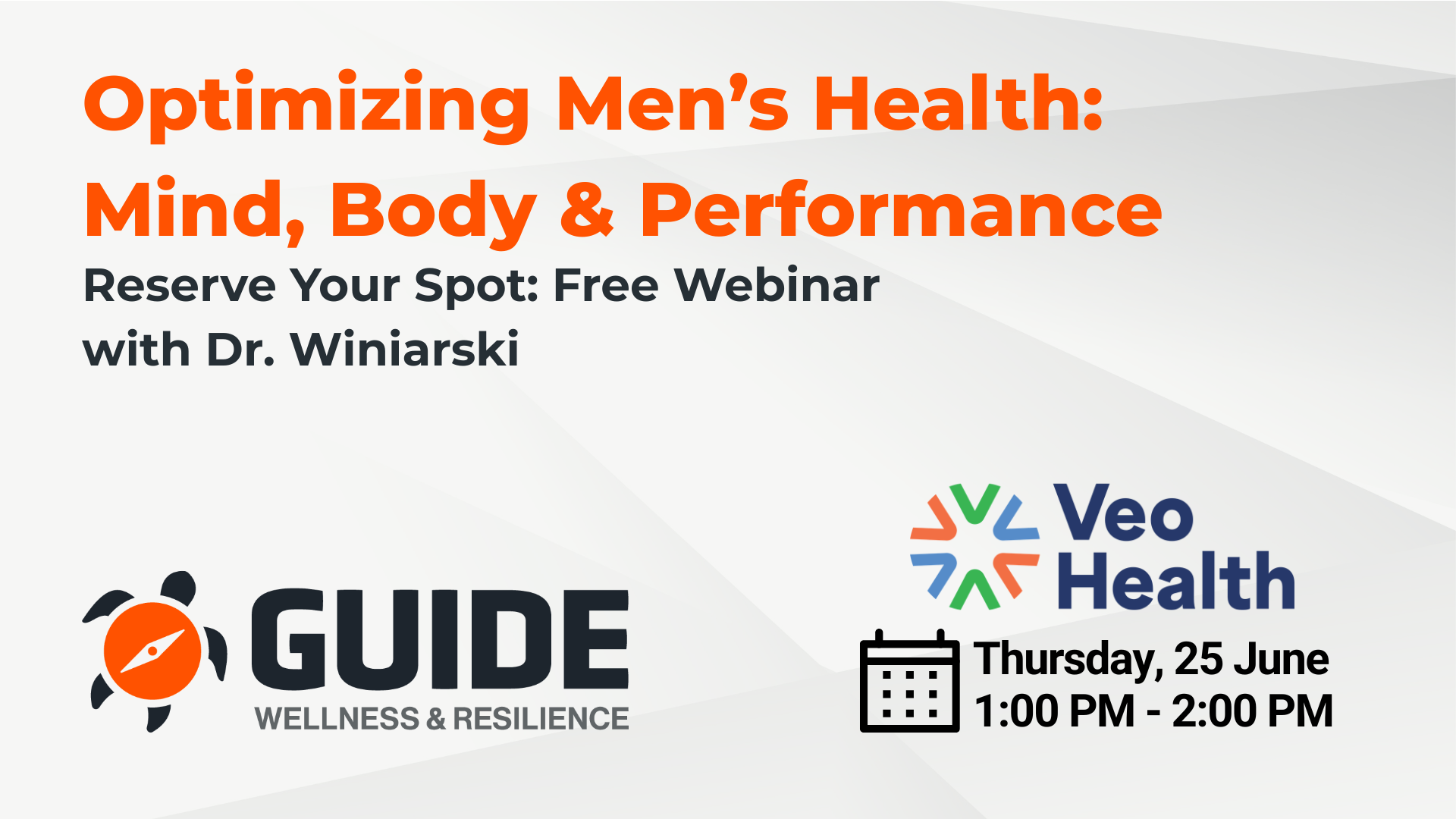
To continue this important conversation, The GUIDE App is proud to host a special Men’s Health Webinar on June 25 featuring Dr. Steven Winiarski.
Dedicated to empowering men to achieve optimal health, Dr. Winiarski is board-certified in Family Medicine, a Diplomate of the American Board of Clinical Lipidology, a Fellow of the National Lipid Association, and a Diplomate of the American Board of Obesity Medicine. He specializes in the prevention of cardiovascular and metabolic disease and has been a pioneer in telemedicine, establishing a national network of independent providers across the country.
Licensed in all 50 states, Dr. Winiarski primarily treats patients virtually, including many professional athletes focused on performance, longevity, and health optimization. His expertise bridges preventive medicine, metabolic health, cardiovascular wellness, weight management, and sustainable lifestyle practices that support long-term physical and mental performance.
A graduate of Emory University and Chicago College of Osteopathic Medicine, Dr. Winiarski practices what he teaches. Outside of medicine, he participates in endurance sports and enjoys staying active with his two young daughters and the team at VEO Health.
This webinar will provide practical, actionable insights that responders, veterans, healthcare professionals, and frontline workers can immediately apply to support their health, energy, recovery, and long-term resilience.